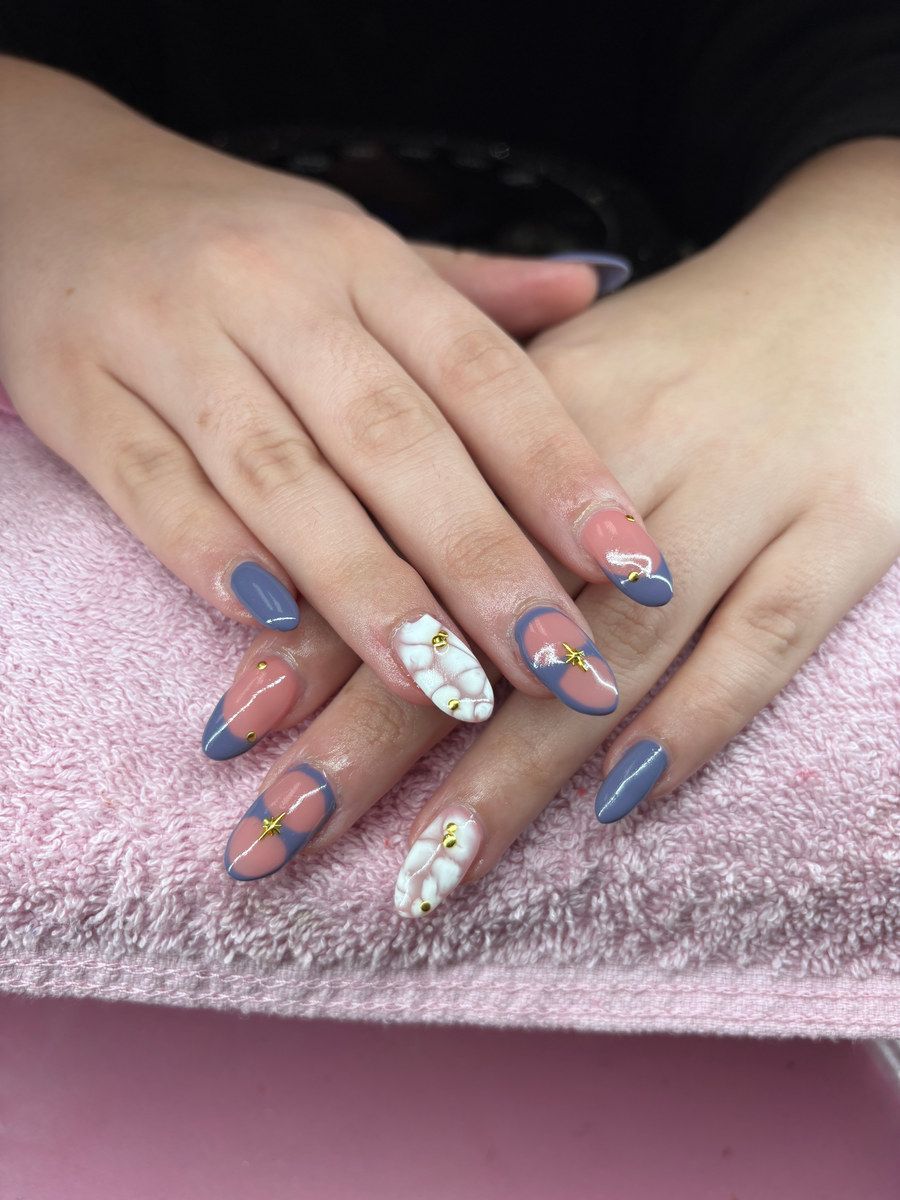
A good nail tech gives you more than a nice color. They keep tools clean, prep your nails gently, listen to how you use your hands, and remove sets without damage. Whether you are looking for a first Gel-X set or switching from a salon that wasn't working for you, here is what to look for, what to ask, and the red flags that mean you should keep looking.
1. Sanitation you can see
Clean tools are non-negotiable. Nails and cuticles are close to skin, and small nicks happen.
Good signs:
- Metal tools (nippers, pushers) come out of a sealed pouch or a disinfecting container, not a drawer
- Files and buffers are new for you, or you are offered to take your file home
- The station is wiped down between clients, with a fresh towel
- Your tech washes or sanitizes their hands before starting
- Any bowls used for soaking are cleaned or lined between clients
Watch out for:
- Worn, dusty files that look used
- Tools pulled from a cup on the counter
- Dust and product clippings left from the last client
It is completely fine to ask, "How do you clean your tools?" A good tech will answer without hesitation.
2. Prep quality
Prep decides how long your set lasts and how healthy your nails stay. It happens before any color or extension goes on.
Good prep looks like:
- Cuticles pushed back gently and only dead skin removed
- The nail surface lightly buffed, not thinned down
- Oils and dust cleaned off before product goes on
- Careful sizing of tips so they fit side to side
Signs of rough prep:
- Red rings or tender spots near the cuticle after an appointment
- Nails that feel thin, bendy, or sore after removal
- Cuts or bleeding around the cuticles
- A burning feeling from a drill
A brief warm feeling under the lamp can happen with some gels. A drill should never burn.
3. Communication
A great appointment starts with questions. Your nail tech should ask:
- How long and what shape you want
- What you do with your hands day to day
- Whether you've had lifting, breaks, or sensitivity before
- What design you are thinking of, and whether you have a photo
They should also tell you honestly when something won't work, like very long stilettos for someone who types all day, and suggest an alternative. If you are new to extensions, it helps to know the difference between systems first. See Gel-X vs acrylic nails.
4. A portfolio that shows the details
Most nail techs share work on Instagram or TikTok. When you scroll, look past the art and check the basics:
- Cuticle area: Clean, close, and even, with no thick ledge of product
- Consistency: Every nail on the hand is the same length and shape
- Side view: A smooth, gentle curve with no lumps
- Real-life photos: Not only perfect angles, but hands that look like hands
Also look for designs close to what you want. If you love fine line art, find a tech whose feed shows fine line art.
5. Gentle removal
How a set comes off matters as much as how it goes on. A good tech soaks off gel and acrylic, or files down and soaks, rather than prying, popping, or ripping nails off. If a salon pries off old sets, your natural nails pay for it. Read how to remove Gel-X safely to know what proper removal looks like.
6. Pricing transparency
You should know what you're paying before you start.
- Look for a published menu with base prices
- Ask how art, length, and add-ons are priced
- Get a quote for custom art before the work begins
- Ask about fills, repairs, and removal costs too
As an example, on the Beauty, Boldly Done menu a Gel X Set is $70, a Gel Manicure starts at $35, and nail art is priced by design. The full list is on the services page. Clear pricing up front means no surprises at checkout. For what's customary afterward, see the salon tipping guide.
Red flags at a glance
| Red flag | Why it matters |
|---|---|
| Reused files or tools out of a drawer | Hygiene risk |
| Cuts, bleeding, or burning | Rough technique damages skin and nails |
| Prying or ripping off old sets | Thins and weakens natural nails |
| No questions about your lifestyle | Higher chance of a set that doesn't fit your life |
| Prices that change at checkout | Lack of transparency |
| Rushed appointments every time | Prep is often what gets skipped |
Your first appointment: what a good one feels like
Once you've picked someone, the first visit tells you a lot. A good first appointment usually goes like this:
- A short chat first. Your tech looks at your nails, asks about your routine, and talks through length, shape, and design before starting.
- Clean setup. Tools and files come out ready, and the station is tidy.
- Unhurried prep. Cuticle work and buffing take time, and that's a good sign.
- Check-ins. You're asked about length and shape before anything is final.
- Aftercare tips. You leave knowing how to care for the set and what to do if a nail lifts.
Afterward, pay attention to how the set wears. A good set feels comfortable, doesn't hurt, and holds up with normal care until it's time for a fill. If you notice the same nail lifting each time, mention it. A good tech wants that feedback and will adjust.
Questions to ask before you book
- How do you clean and store your tools?
- Which system do you recommend for my nails and why?
- How do you remove sets?
- How is nail art priced?
- What should I do if a nail lifts or breaks?
Many of these are the same kind of questions you'd ask a hairstylist. Our what to ask your stylist guide covers the hair side.
Meet your nail tech in south Overland Park
I'm a licensed cosmetologist, and I've been doing nail art since I was 15. I work one-on-one in my own studio, so you get my full attention from prep to finish, and you're welcome to ask me any of the questions above. Bring an inspiration photo too. My studio is inside Willow Salon & Suites at 135th Street in south Overland Park, near Leawood. Book your first nail appointment and we'll start with what your nails need.
Frequently asked questions
How can I tell if a nail salon is clean?
Look for metal tools that come out of a sealed pouch or a disinfecting container, new files and buffers for each client, a wiped-down station, and a tech who washes or sanitizes their hands before starting.
Should a manicure hurt?
No. You might feel pressure or a brief warm spot under the lamp, but cutting, burning from a drill, or bleeding cuticles are not normal. Say something right away if it hurts.
Is it okay to ask a nail tech about their license?
Yes. Nail services in Kansas are licensed by the state, and a professional should be comfortable answering that question.
What should I look for in a nail tech's portfolio?
Look for close-ups of the cuticle area, even shapes from nail to nail, and side views that show a smooth, balanced curve. Clean work up close matters more than a flashy design.
Book with Hoshika
Want this done for you?
Private one-on-one studio in Overland Park. Free consultations for big changes.