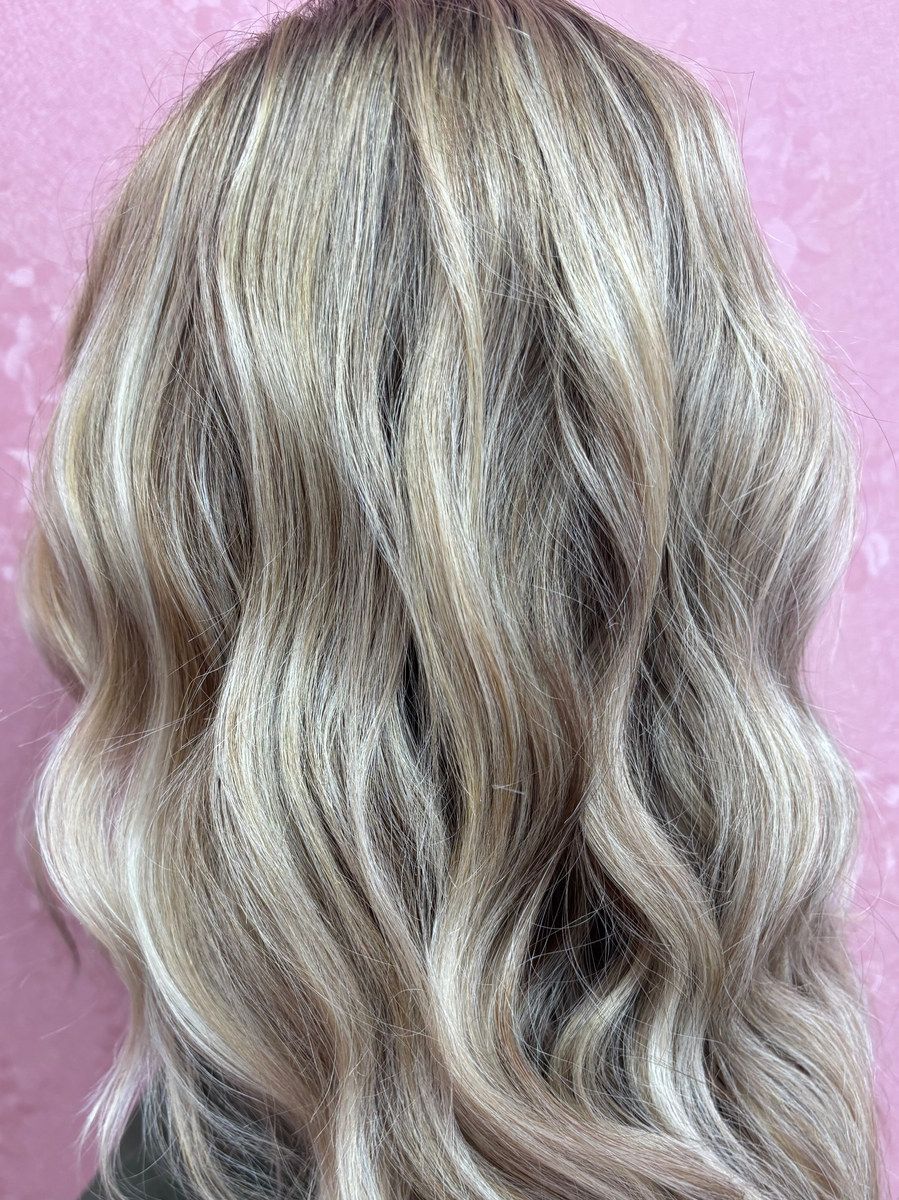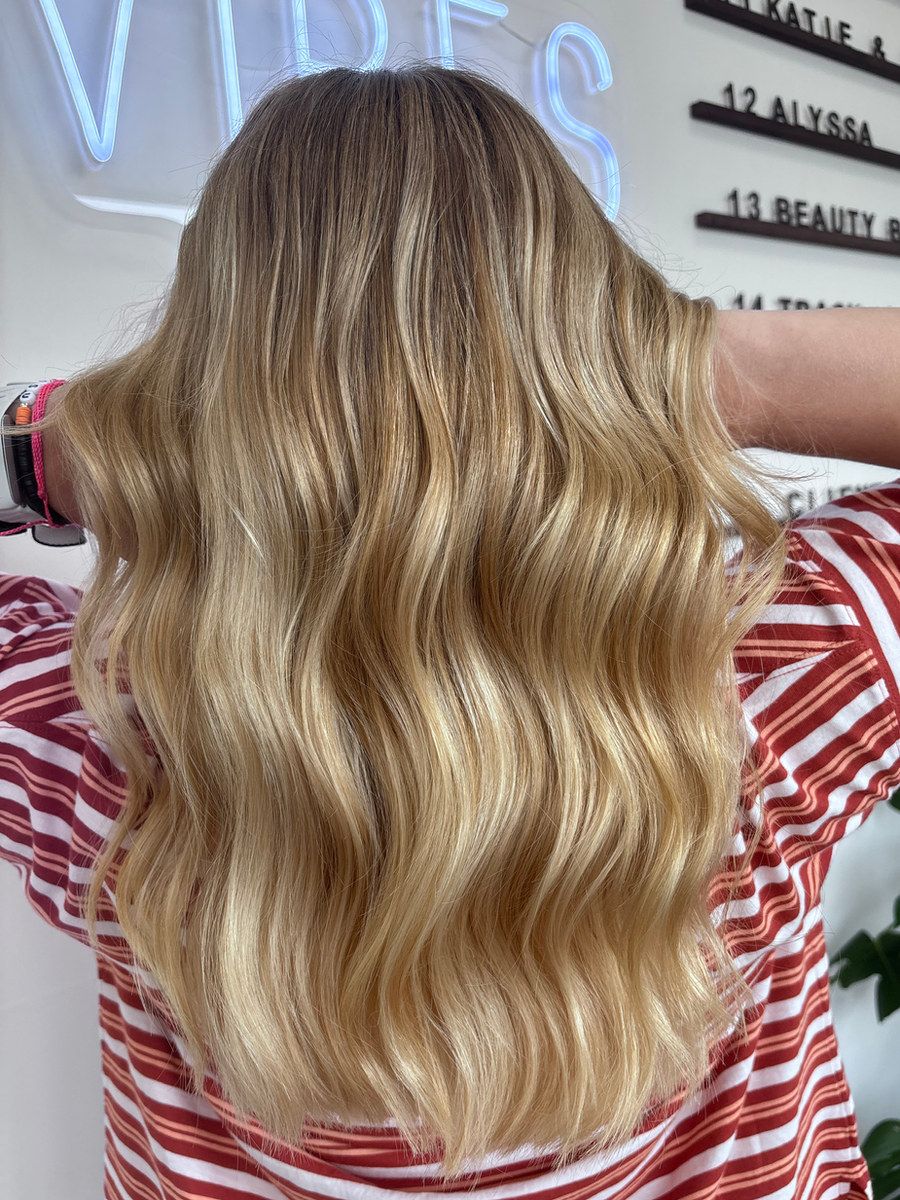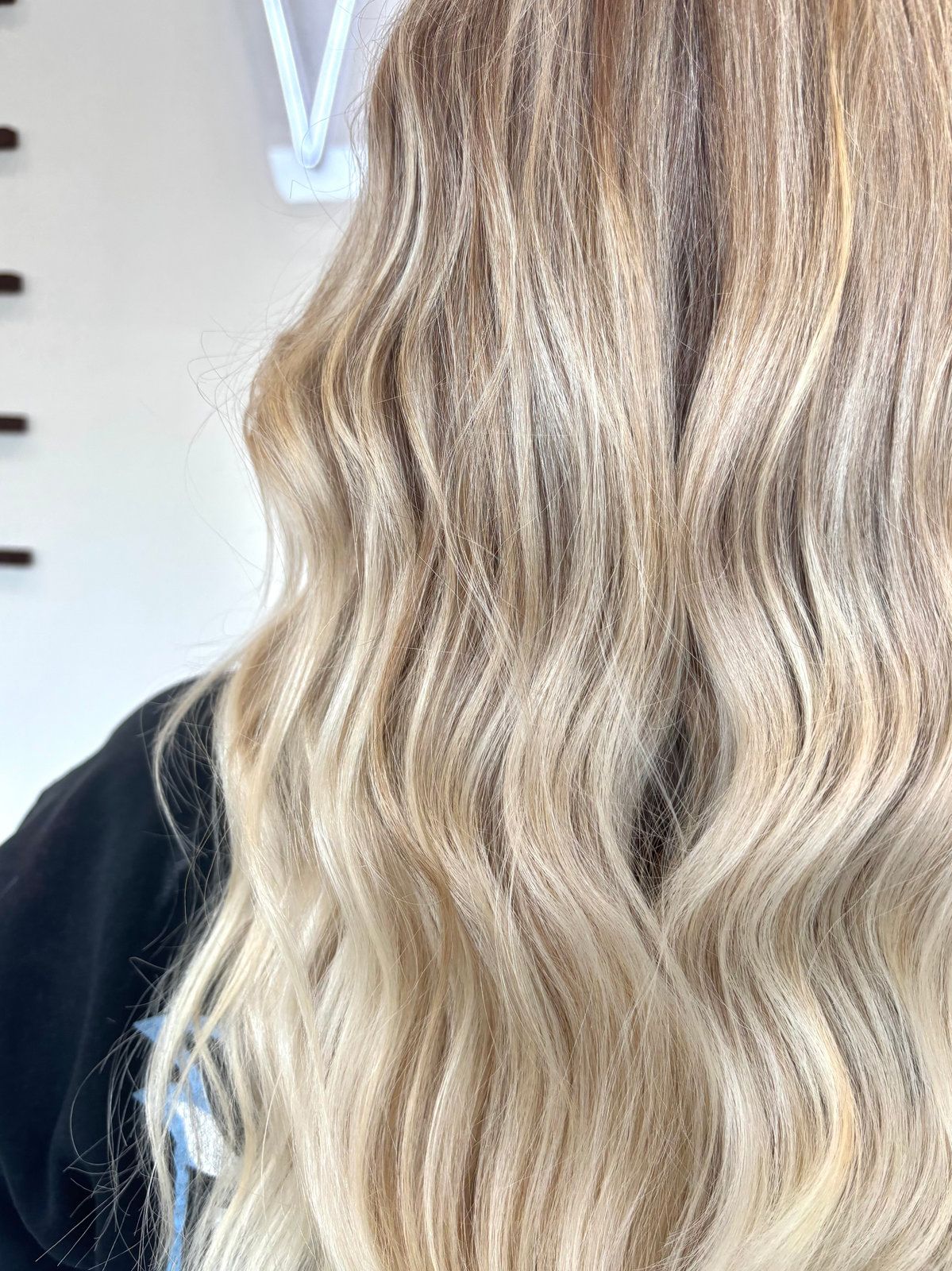
If you live in Overland Park, Leawood or Lenexa and your blonde turns brassy, dull or straw-like within weeks of a salon visit, your tap water is a likely suspect. WaterOne's 2024 water quality report lists an average total hardness of about 8 grains per gallon, which lands in the hard range. Minerals in that water build up on your hair over time. The good news: a simple weekly routine handles most of it.
How hard is Johnson County water?
Most of Overland Park, Leawood and Lenexa is served by WaterOne. Its 2024 water quality report lists average total hardness of 137 ppm, with a range of 117 to 160 ppm. WaterOne says to divide ppm by 17.1 to get grains per gallon, which puts the average at about 8 gpg. The Water Quality Association calls 7 to 10.5 gpg "hard."
Olathe is a little different. Most of Olathe runs on the city's own water utility, with only some areas served by WaterOne. If you're in Olathe, look up the City of Olathe's annual water quality report to see your numbers. Either way, it's safe to assume you're dealing with some mineral content and to build your routine around it.
You can check your own water too. Your utility's annual report is the most reliable source, and home test strips give a quick read.
What hard water does to your hair
Hard water carries dissolved calcium and magnesium. Every time you wash, a little of those minerals is left behind on your hair. Over weeks, it builds into a film.
That film:
- Roughens the outer layer of the hair, so it reflects less light and looks dull
- Makes hair feel coated, stiff or straw-like, even right after washing
- Keeps shampoo from lathering well, so you use more product
- Makes conditioner and styling products work less well
- Sits on top of toner and changes how your color reads
Lightened hair takes the hardest hit. Lightener opens up the hair's structure, which makes it more porous. Porous hair grabs onto minerals more easily and lets toner wash out faster. That combination is why many Johnson County blondes see their color go from cool and glossy to flat and brassy well before their next appointment.
If your hair feels hard to manage in general, hard water may be only one part of the story. Why your hair is hard to manage covers porosity, density and texture too.
Signs you have mineral buildup
Run through this list. If three or more sound familiar, buildup is likely part of the problem.
- Your hair feels waxy or coated even when it's freshly washed
- Shampoo doesn't lather the way it used to
- Your blonde looks yellow, gray-ish or dull sooner than you expected
- Toner seems to fade in a few weeks
- Hair tangles more and dries rough
- Curls or waves lose their shape and definition
- Products that used to work have stopped working
- Your hair takes longer to dry
Clarifying vs. chelating shampoo
These two get mixed up, but they do different jobs.
| Type | What it removes | Best for | How often |
|---|---|---|---|
| Clarifying shampoo | Product buildup, oils, silicones, residue | Heavy styler users, oily scalps | Every 1 to 2 weeks |
| Chelating shampoo | Minerals from hard water, plus most of what clarifying removes | Hard water, lightened hair, swimmers | Once a week or every other week |
Chelating shampoos contain ingredients that bind to minerals so they rinse away. Many are labeled for "hard water," "swimmers" or "mineral buildup." A regular clarifying shampoo cleans product residue well but isn't designed to target minerals.
Both are stronger than your daily shampoo. Using them too often can dry your hair out and fade toner, so stick to a schedule and always condition afterward.
A weekly hard-water routine for blondes
- Wash with a gentle, sulfate-free shampoo on your regular wash days.
- Once a week (or every other week), swap in a chelating shampoo. Lather twice: the first wash breaks up buildup, the second actually cleans.
- Follow with a deep conditioner or mask. Leave it on for the full time on the label.
- Use purple shampoo on a different wash day, not the same day you chelate, so you're not stripping and depositing at once.
- Finish with a cool rinse to help hair feel smoother.
- Use a leave-in and heat protectant before any blow-drying or hot tools.
For the full brightness routine, including how often to use purple shampoo, see how to keep blonde hair bright.
Shower filter or water softener?
This is the question most people ask next. The short answer: they solve different problems.
Shower filters are affordable and easy to install. Most are designed mainly to reduce chlorine, which can help hair and skin feel less dry. But a typical shower filter doesn't remove much calcium or magnesium, so it won't fix hardness on its own. If you use one, replace the cartridge on the manufacturer's schedule, and keep using a chelating shampoo.
Water softeners are whole-house systems that remove hardness minerals through ion exchange. They're the real fix for hard water, but they cost more and need installation and upkeep. Renters often can't add one.
| Shower filter | Water softener | |
|---|---|---|
| Reduces chlorine | Usually yes | Not its main job |
| Removes hardness | Not much | Yes |
| Install | Screws onto showerhead | Whole-house, professional install |
| Good for renters | Yes | Usually not |
If a softener isn't an option, a filter plus a regular chelating step is a solid middle ground.
How to time toner and gloss around hard water
Your routine and your salon visits work best together.
- Chelate a day or two before your color appointment. Clean, buildup-free hair takes lightener and toner more evenly. Let your stylist know you did.
- Give fresh toner a few days before you chelate. A strong cleanse right after toning can fade it faster than you'd like.
- Book a toner or gloss between lightening appointments. Many blondes come in for a gloss somewhere around every six to eight weeks to reset the tone and shine.
- Plan ahead for summer. Pool chlorine and sun add to what hard water already does. KC hair by season covers what to book and when.
Hard-water help in south Overland Park
Hoshika's one-chair studio sits inside Willow Salon & Suites on 135th Street, right in hard-water territory. If your blonde has gone dull or brassy, a Toner/Gloss is $45 on the current menu and takes about 45 minutes. If you're not sure whether it's buildup, porosity or something else, start with a free 15-minute consultation and she'll help you sort it out.
Check the full services menu, or book your consultation and bring your questions about your water and your routine. If you're planning new color, balayage cost in Kansas City is a good next read.
Frequently asked questions
Is Overland Park water hard?
Yes. Most of Overland Park gets its water from WaterOne, and WaterOne's 2024 water quality report averages about 8 grains per gallon, which falls in the hard range used by the Water Quality Association.
How often should I use a chelating shampoo in hard water?
For most people, once a week or every other week is plenty. Use it more often only if your hair still feels coated, and always follow it with conditioner.
Will a shower filter fix hard water hair?
A typical shower filter mainly reduces chlorine, so it can make hair feel softer but won't take out much of the calcium and magnesium. A whole-house water softener is what actually removes hardness.
Can hard water make toner fade faster?
It can. Mineral film dulls the shine of toned hair and can shift how the color reads, so a regular chelating step helps your gloss look true for longer.
Book with Hoshika
Want this done for you?
Private one-on-one studio in Overland Park. Free consultations for big changes.