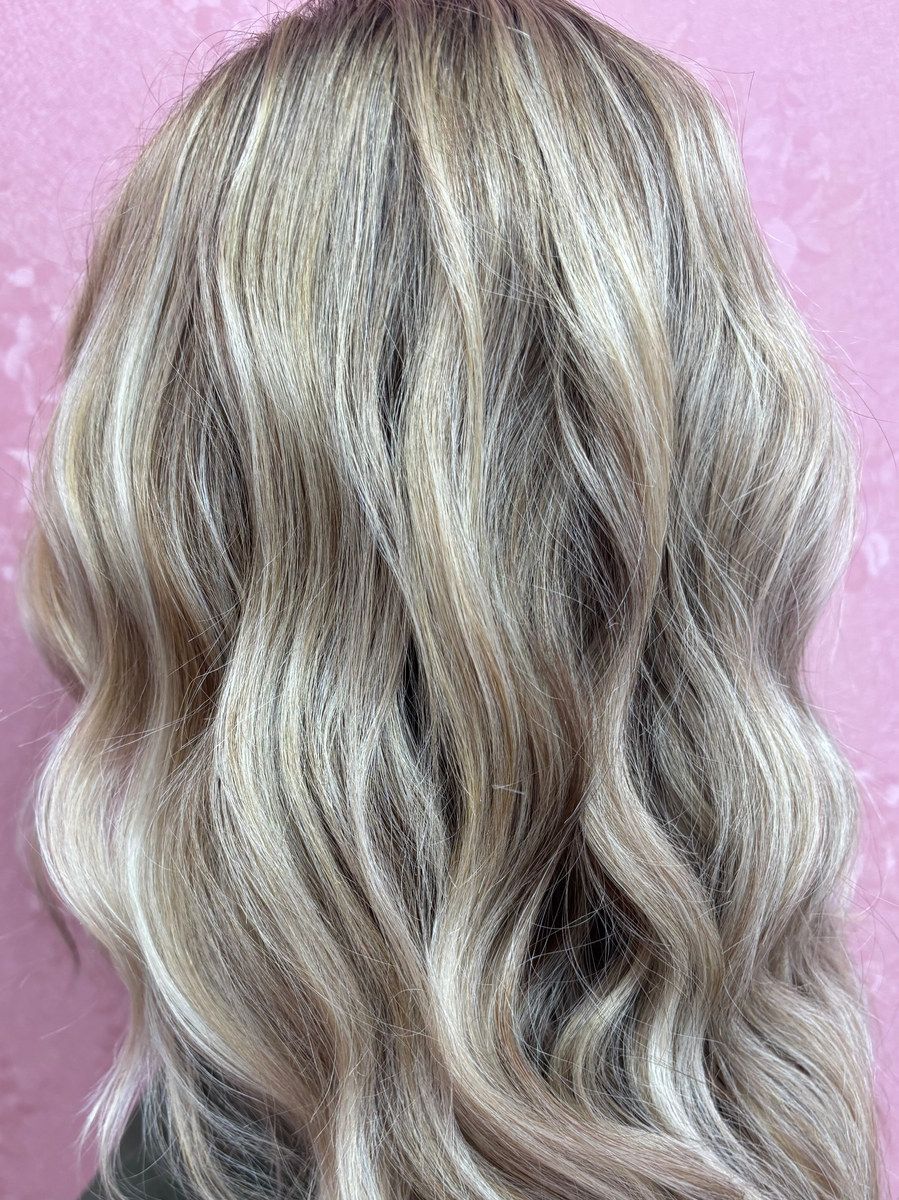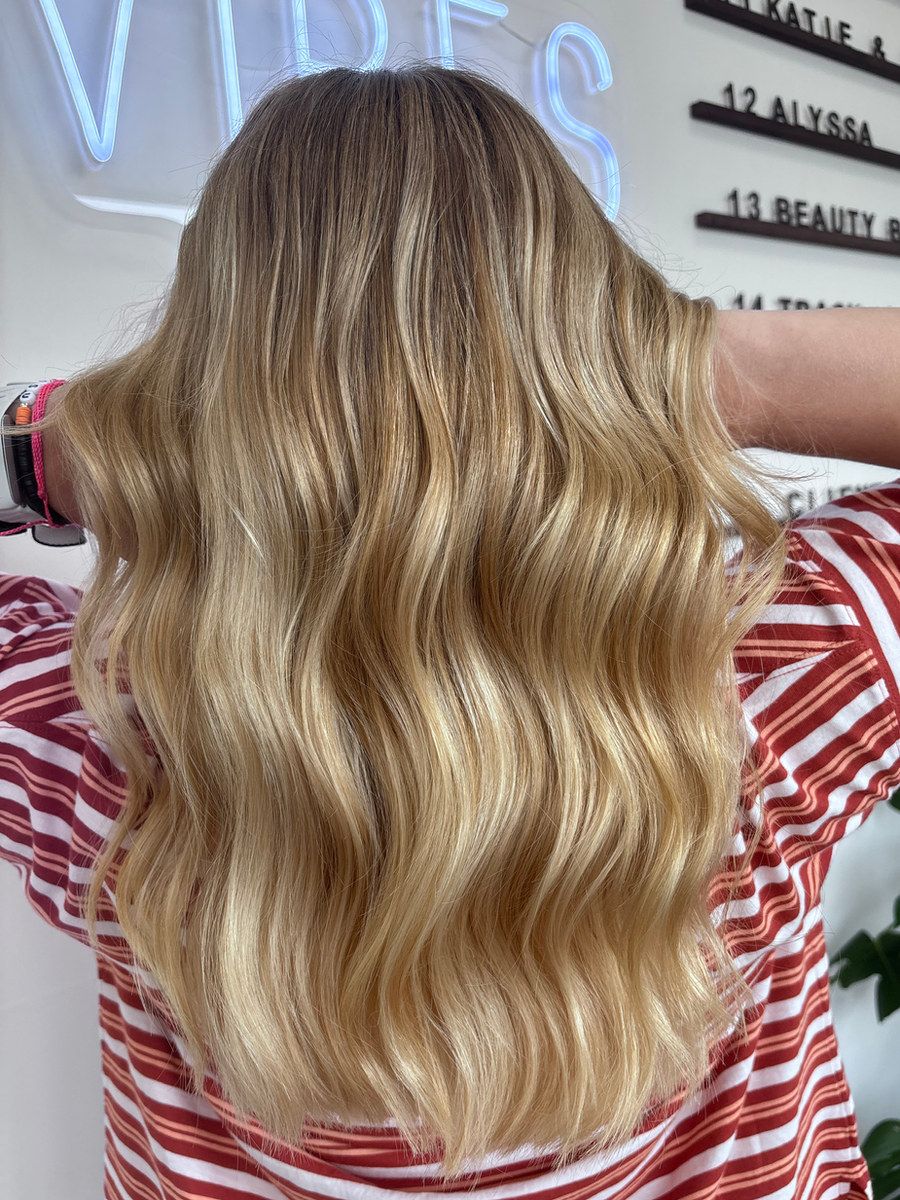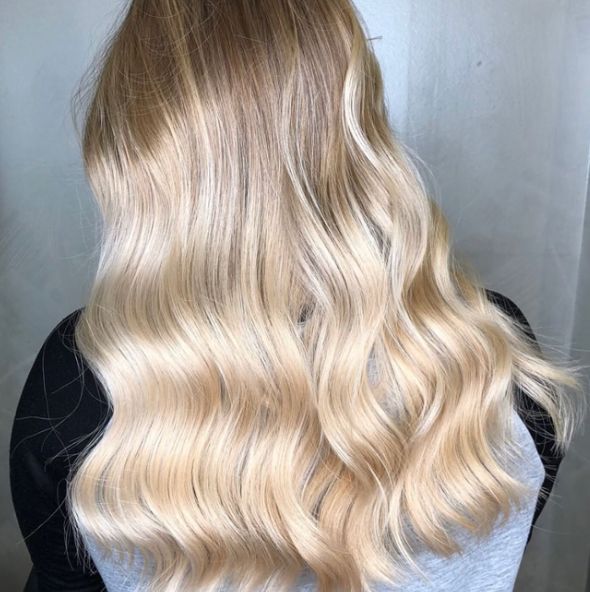
K-tip, tape-in, and sew-in extensions can all give you longer, fuller hair. The difference is how they attach, how long the install takes, how they feel day to day, and how much upkeep they need. Tape-ins are the quickest install, K-tips are the most individual and blend like your own hair, and sew-ins are a sturdy choice for thick hair. Here's how to decide which one fits your hair and your routine.
The quick answer
- Choose tape-ins if you want a faster appointment, a flat and comfortable feel, and you're okay with regular move-ups.
- Choose K-tips if you want the most natural movement, the most flexibility for ponytails and updos, and you can invest in a longer first appointment.
- Choose a sew-in if your hair is thick and strong, and you want a secure, chemical-free attachment.
Your hair type matters more than anything else. A free consultation is the best way to see which method your hair can support.
Side-by-side comparison
Prices and times below come from the current Beauty, Boldly Done menu. All extension services are request-to-book, and the hair is purchased separately and color-matched at your consultation. See /services for the current menu.
| K-Tip (Fusion) | Tape-In | Sew-In | |
|---|---|---|---|
| Install time | About 5 hours | About 2 hours | About 3 hours |
| Price | $300 plus hair | From $125 plus hair | $200 plus hair |
| How it attaches | Small keratin bonds on individual strands | Thin wefts sandwiched with tape | Wefts sewn onto a braided track |
| Feel | Very light, moves strand by strand | Flat and smooth against the head | Secure; can feel snug at first |
| Time between move-ups | Usually the longest | Shorter | Shorter |
| Styling freedom | Highest, including high ponytails | Good; plan placement for updos | More limited for high styles |
| Best for | Natural blend, versatile styling | Quick volume, first-timers | Thick, strong hair |
Move-ups start at $100 and removal starts at $100 on the current menu, with the final price depending on the method.
K-tip (fusion) extensions
K-tip extensions are small bundles of hair with a keratin tip. Each one is bonded to a small section of your natural hair, one at a time. That's why the appointment is long: you are getting many individual attachments placed by hand.
What it's like to wear: Because each bond is tiny and moves on its own, K-tips flow very naturally. You can part your hair in different places, wear it up, and brush it without seeing a line of wefts.
Pros:
- Most natural movement and blending
- The most styling freedom
- Generally the longest wear between maintenance visits
Things to know:
- Longest install of the three
- Bonds need gentle care. Avoid oils and heavy conditioner near them.
- Removal needs a stylist and the right remover. Never pull bonds out yourself.
Best for: People who want long-term, versatile extensions and are willing to set aside a longer first appointment.
Tape-in extensions
Tape-ins are thin, flat wefts of hair with a strip of adhesive tape along the top. A thin slice of your natural hair is sandwiched between two wefts. The install is quick because each piece covers more hair than a single K-tip.
What it's like to wear: Flat, light, and comfortable. Most people forget they're there after a few days. They lie close to the head, which makes them a good fit for fine to medium hair when placed well.
Pros:
- Shortest install time
- Lowest starting price
- Lay flat and feel comfortable
- Often a good first step if you're new to extensions
Things to know:
- Need move-ups more often as your hair grows
- Oils, silicones, and heavy conditioners near the tape can loosen the bond
- High ponytails take some planning so the tape doesn't show
Best for: First-timers, anyone who wants volume and length without a very long appointment, and people with fine to medium hair.
Sew-in extensions
With a sew-in, your stylist braids a horizontal track of your own hair and sews wefts of extension hair onto it with a needle and thread. No glue, no heat, no tape.
What it's like to wear: Very secure. It can feel snug for the first day or two as your scalp adjusts. The braid adds a little bulk, which is why this method works best on thicker hair that can hide it.
Pros:
- No adhesive or heat on your hair
- Very secure attachment
- A lot of hair can be added in one row
Things to know:
- Best for thick, strong hair; fine hair may not hide the braid
- Rows need to be re-braided and re-sewn as hair grows
- Scalp care matters. Keep the braid area clean and fully dry after washing.
- High ponytails and some updos are harder to pull off
Best for: Thick or dense hair, and anyone who wants to avoid adhesives or bonds.
How to choose: questions to ask yourself
- How thick is my hair? Fine hair usually needs smaller, lighter attachments. Thick hair can support more weight and a sew-in braid.
- How do I wear my hair most days? If you live in ponytails or updos, K-tips are the most forgiving.
- How long can I sit for the first install? Two hours versus five is a real difference.
- How often can I come back? Every method needs upkeep. Tape-ins and sew-ins usually need it sooner.
- What's my total budget? Add the install, the hair, move-ups, and eventually removal.
- Do I swim, work out hard, or spend time outside in humid weather? Sweat and humidity affect care. Our extension care guide covers that.
If your hair often feels hard to manage or tangles easily, read why your hair might be hard to manage before your consult. Texture, density, and porosity all affect how extensions sit and blend.
Why the hair is color-matched at your consultation
Extensions only look natural when the color matches every tone in your hair, not just the ends. At your consultation, the extension hair is chosen and color-matched to you. If you have highlights or balayage, the hair may need to blend between shades.
If you're planning a color change, it's usually smart to do the color first, then match the extensions. That way you're not matching to a shade you're about to leave. For color ideas, see balayage vs. highlights.
What extension upkeep looks like over time
Every method follows the same basic cycle:
- Install. Your extensions go in and are cut and blended into your hair.
- Wear. You care for them at home, gently, every day.
- Move-up. As your natural hair grows, attachments move away from the scalp. They get taken down and reapplied closer to the root.
- Removal. When you're ready for a break, a stylist removes them safely with the right method and product.
Skipping move-ups is the most common way extensions cause tangling, matting, or stress on your natural hair. Book them before your attachments get too far from the scalp.
Get matched with Hoshika in Overland Park
I do extension installs one-on-one in my private studio inside Willow Salon & Suites on 135th Street, so you get my full attention for the whole appointment. We'll look at your hair, talk through how you wear it, and pick the method that will actually work for you. Then we'll choose and color-match your hair. Start with a free consultation and we'll plan it together.
Frequently asked questions
Which hair extension method lasts the longest between appointments?
K-tip (fusion) bonds generally go the longest between maintenance visits because each bond grows out with a single small strand. Tape-ins and sew-ins usually need moving up sooner as the natural hair grows.
Can I reuse my extension hair?
Tape-in and sew-in hair is often reused at a move-up if it's been cared for, while K-tip hair is usually re-bonded. Your stylist will check the condition of the hair at each visit and let you know.
Are extensions safe for fine hair?
They can be when the method and weight match your hair. Fine hair usually does best with small, lightweight attachments, and a consultation is the right place to check whether your hair can carry the length you want.
Why do I have to buy the hair separately?
Extension hair varies a lot in length, quantity, and quality, so the service price covers the install and the hair is purchased separately. It is color-matched to you at the consultation so it blends.
Book with Hoshika
Want this done for you?
Private one-on-one studio in Overland Park. Free consultations for big changes.