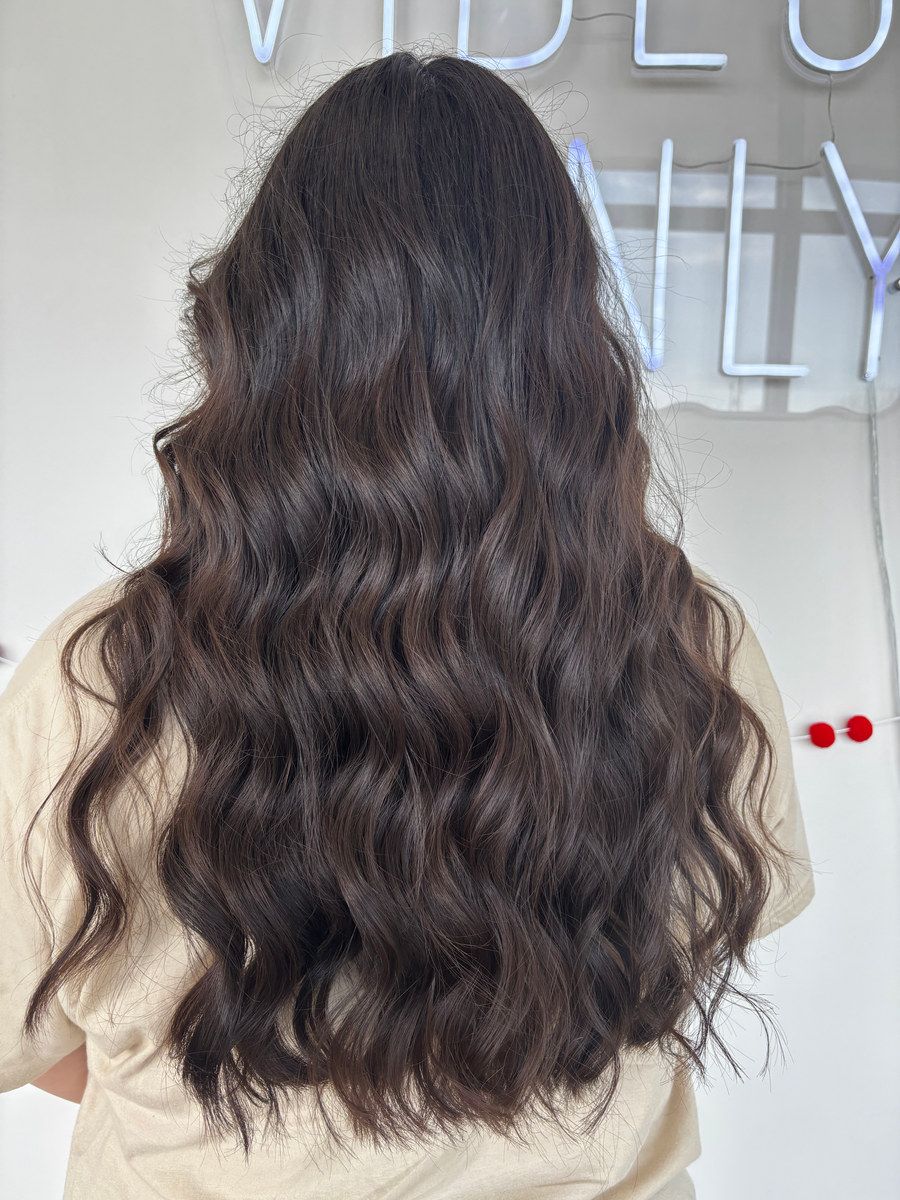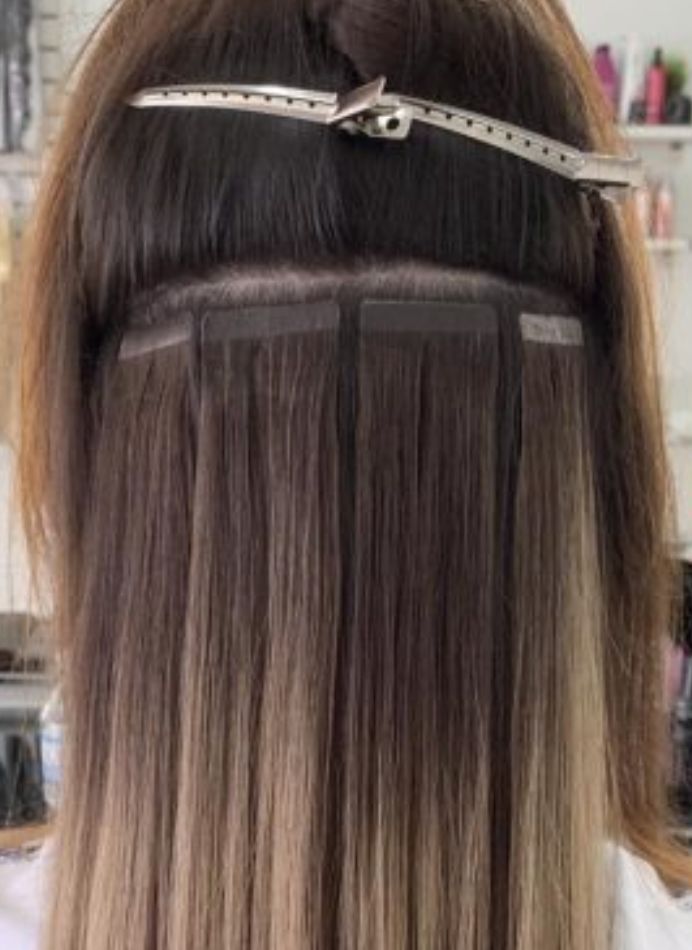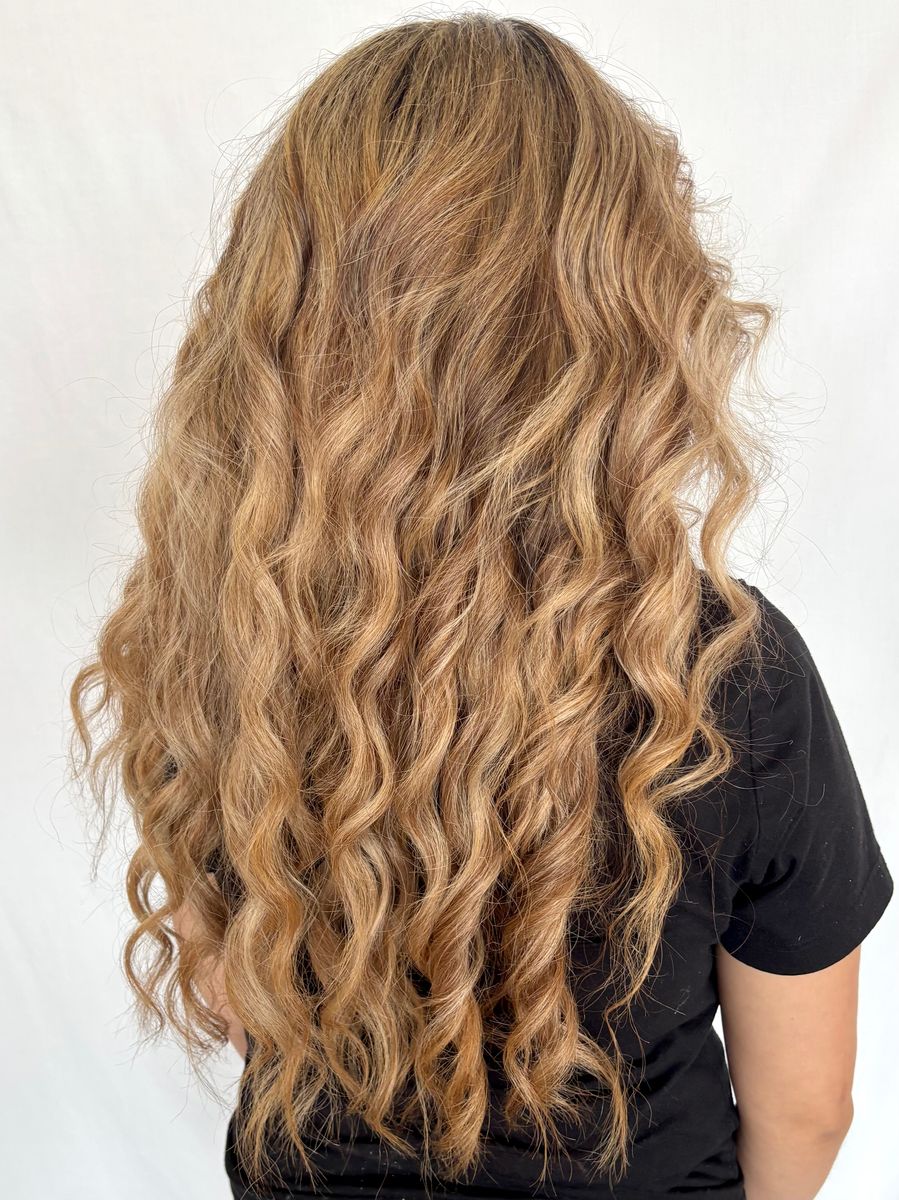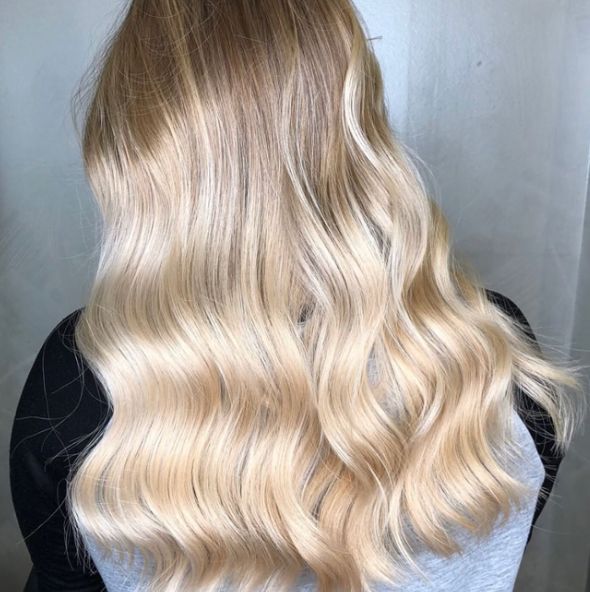
Good hair extension care comes down to three things: be gentle at the root, keep the extension hair moisturized, and don't skip your move-ups. Extensions don't get oil from your scalp the way your own hair does, so they dry out faster. And the place where they attach is the most delicate spot on your head. Get those basics right and your extensions will look better, feel better, and last longer.
This guide covers K-tip (fusion), tape-in, and sew-in extensions. If you're still choosing a method, start with K-tip vs. tape-in vs. sew-in extensions.
Your first few days
New extensions take a little getting used to. A few tips for the first week:
- Wait before washing. Ask your stylist how long to wait after install. Tape-ins in particular need time for the adhesive to fully set.
- Expect some snugness. Sew-ins and fresh bonds can feel tight at first. That should ease as your scalp adjusts. Pain that doesn't ease is worth a call to your stylist.
- Learn your attachment points. Run your fingers gently along your rows or bonds so you know where they sit. This helps when you brush and section.
Daily care
Brushing
Brushing is the most important daily habit. Tangles at the root turn into matting fast.
- Use a soft loop brush or a brush made for extensions.
- Hold your hair near the root with one hand to take tension off the attachments.
- Start at the ends and work up in small strokes.
- Brush gently around bonds and tapes, never hard across them.
- Brush at least twice a day: once in the morning and once before bed.
Never brush extensions when they're soaking wet. Wet hair stretches and tangles easily. Detangle gently with your fingers or a wide-tooth comb first, then brush once hair is damp or dry.
Styling with heat
Extension hair can't repair itself, so heat damage is permanent.
- Always use heat protectant.
- Use a moderate heat setting, not your tool's highest.
- Keep flat irons and curling irons away from bonds and tapes. Heat can soften keratin and loosen adhesive.
- Give your hair heat-free days when you can.
For lower-heat styling ideas, our salon blowout at home guide walks through a blowout that's gentle on your hair.
Washing: weekly care
Washing less often protects your attachments. Two or three times a week is a good target for most people.
How to wash
- Brush first. Always detangle completely before you get in the shower.
- Wash upright. Stand in the shower with your head tilted back. Don't flip your hair forward or wash in a sink, which tangles the root area.
- Shampoo the scalp only. Use your fingertips to gently cleanse between rows or bonds. Let suds rinse through the lengths.
- Condition mid-lengths and ends only. Keep conditioner away from bonds, tapes, and braids.
- Rinse thoroughly. Leftover product near the attachment points can cause slipping or buildup.
- Dry the roots fully. Squeeze out water gently with a towel. Don't rub. Blow-dry the root area completely, even if you let the ends air-dry.
Damp roots are the enemy of sew-ins especially. A braid that stays wet can lead to odor, itching, and scalp irritation.
What to look for in products
- Sulfate-free shampoo
- A hydrating conditioner and a weekly mask for the extension lengths
- A lightweight leave-in for the ends
- Heat protectant
Ask at your install which specific products suit your method. Extension hair and attachments can be picky, and the right formula makes a real difference.
Products to avoid near the attachment points
What you put near the root matters just as much as how you brush.
| Product | Why to keep it away from the root |
|---|---|
| Oils and serums | Can soften keratin bonds and break down tape adhesive |
| Heavy conditioners and masks | Leave residue that loosens attachments and causes slipping |
| Silicone-heavy products | Can coat tapes and make them slide |
| Alcohol-heavy sprays at the root | Can dry the scalp and weaken some adhesives |
| Dry shampoo, used heavily | Builds up between rows and bonds; use sparingly and brush out |
Use these on the mid-lengths and ends only, if at all.
Sleeping with extensions
Nighttime is when a lot of tangling happens.
- Never sleep on wet hair. Always dry fully first.
- Brush before bed.
- Braid or tie it loosely. A loose braid or low ponytail stops hair from rubbing and knotting.
- Use a silk or satin pillowcase. It creates less friction than cotton.
- Skip tight elastics. Use a soft scrunchie or spiral tie.
Swimming, workouts, and Kansas City weather
Pools and lakes
Chlorine and lake water dry out extension hair quickly and can loosen attachments. If you swim:
- Wet your hair with clean water first and add a leave-in conditioner, so it soaks up less pool or lake water.
- Braid your hair and wear a swim cap if you can.
- Rinse right after and wash and condition the same day.
- Dry the root area completely.
Sweat and workouts
Sweat at the scalp is salty and can affect adhesives and bonds over time. Tie hair back loosely, and rinse or wash the scalp after heavy workouts. Dry the roots thoroughly.
Humidity and dry winters
Humid KC summers can make extensions frizz and tangle faster. A leave-in and a light anti-frizz product on the ends helps. Cold, dry winters and indoor heat do the opposite and dry hair out, so add an extra mask each week. If your hair often feels unpredictable, read why your hair might be hard to manage. Hard water in Johnson County can also leave mineral buildup that dulls extension hair. Our hard water guide explains what to do about it.
For a full season-by-season plan, see Kansas City hair by season.
Coloring your extensions
Talk to your stylist before coloring or toning extension hair. Extension hair may react differently to color than your natural hair, and lightening it is usually not recommended. If you're planning a big color change, it's often best to do the color first, then match the extensions.
Move-ups: why they matter
As your natural hair grows, your attachments move down and away from your scalp. Grown-out attachments put more weight and twisting stress on your hair and tangle more easily. Move-ups reset them close to the root again.
How often you'll need one depends on your method and how fast your hair grows. In general, K-tips go the longest between visits, while tape-ins and sew-ins need moving up sooner. Your stylist will give you a schedule at your install. Signs you're due:
- You can see or feel attachments when your hair moves
- Tangling or matting near the root
- Tapes or bonds slipping
- Sew-in rows feel loose or the braid looks fuzzy
On the current menu, a move-up starts at $100 and varies by method. See /services for the full menu.
Removal: never DIY
It's tempting to pull out a loose bond or peel off a tape, but please don't. Removing extensions without the right remover and technique can tear out or snap your natural hair. A professional removal uses the correct product for your method and protects your hair, so it's ready for your next install or a break. Removal starts at $100 on the current menu and varies by method.
Keep your extensions looking fresh with Hoshika
I want your extensions to feel easy to live with, not like a chore. At your install in my private studio at Willow Salon & Suites in south Overland Park, I'll walk you through a care routine that fits your method and your lifestyle, and we'll set your move-up schedule together. Have questions about the extensions you already have? Book a free consultation and bring them in.
Frequently asked questions
How often should I wash hair extensions?
Most people do best washing two or three times a week rather than daily. Less washing means less stress on bonds, tapes, and braids, and less drying of the extension hair.
Can I swim with extensions?
You can, but it takes care. Braid your hair, wet it with clean water and add a leave-in first, then rinse and fully dry right after, since chlorine and salt dry out extension hair and can loosen attachments.
Can I take my extensions out myself?
No. Removing bonds, tapes, or sewn wefts without the right products and technique can pull out or break your natural hair. A stylist removal is safer and keeps your hair ready for a future install.
Why are my extensions tangling at the root?
Root tangles usually come from skipping a brush-out before bed or washing, sleeping on wet hair, or waiting too long for a move-up. Brush gently every day and book move-ups before attachments grow too far from the scalp.
Book with Hoshika
Want this done for you?
Private one-on-one studio in Overland Park. Free consultations for big changes.