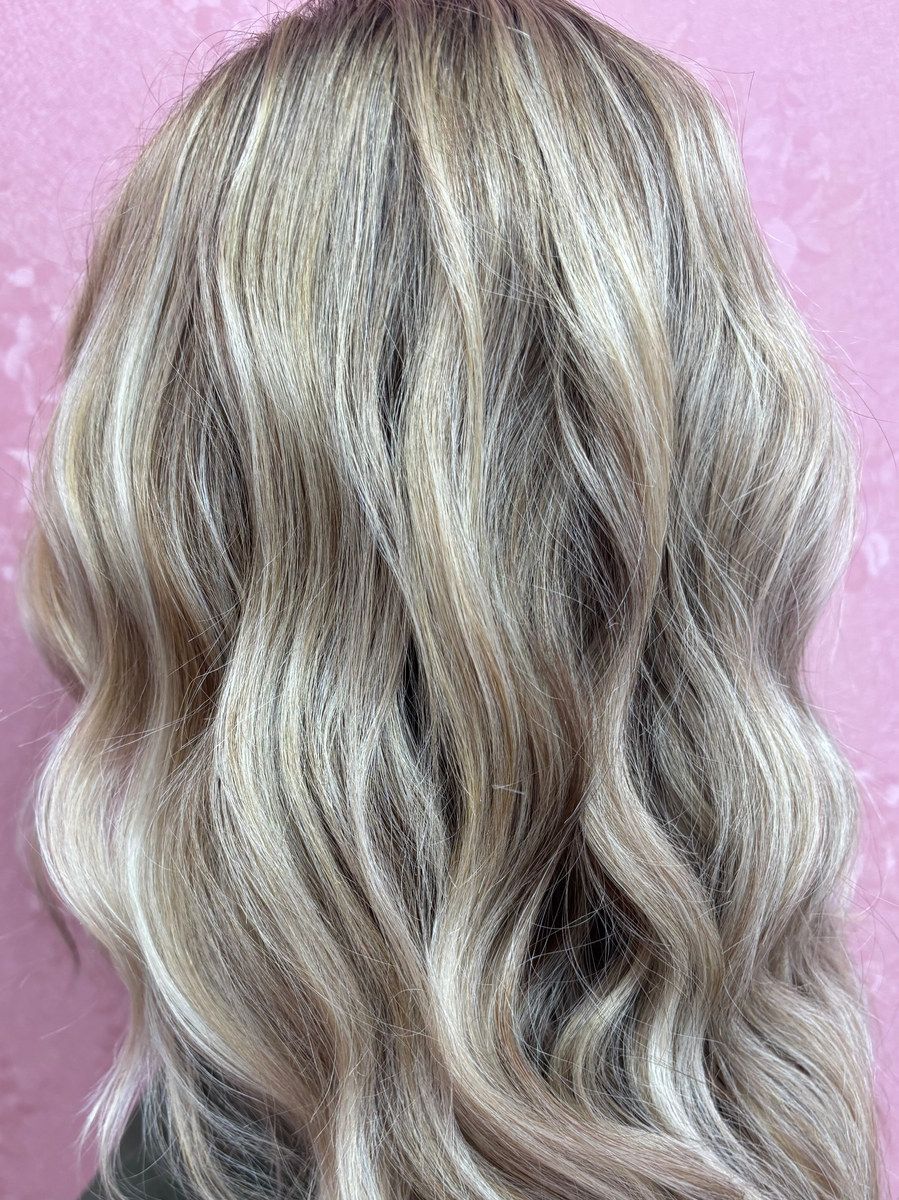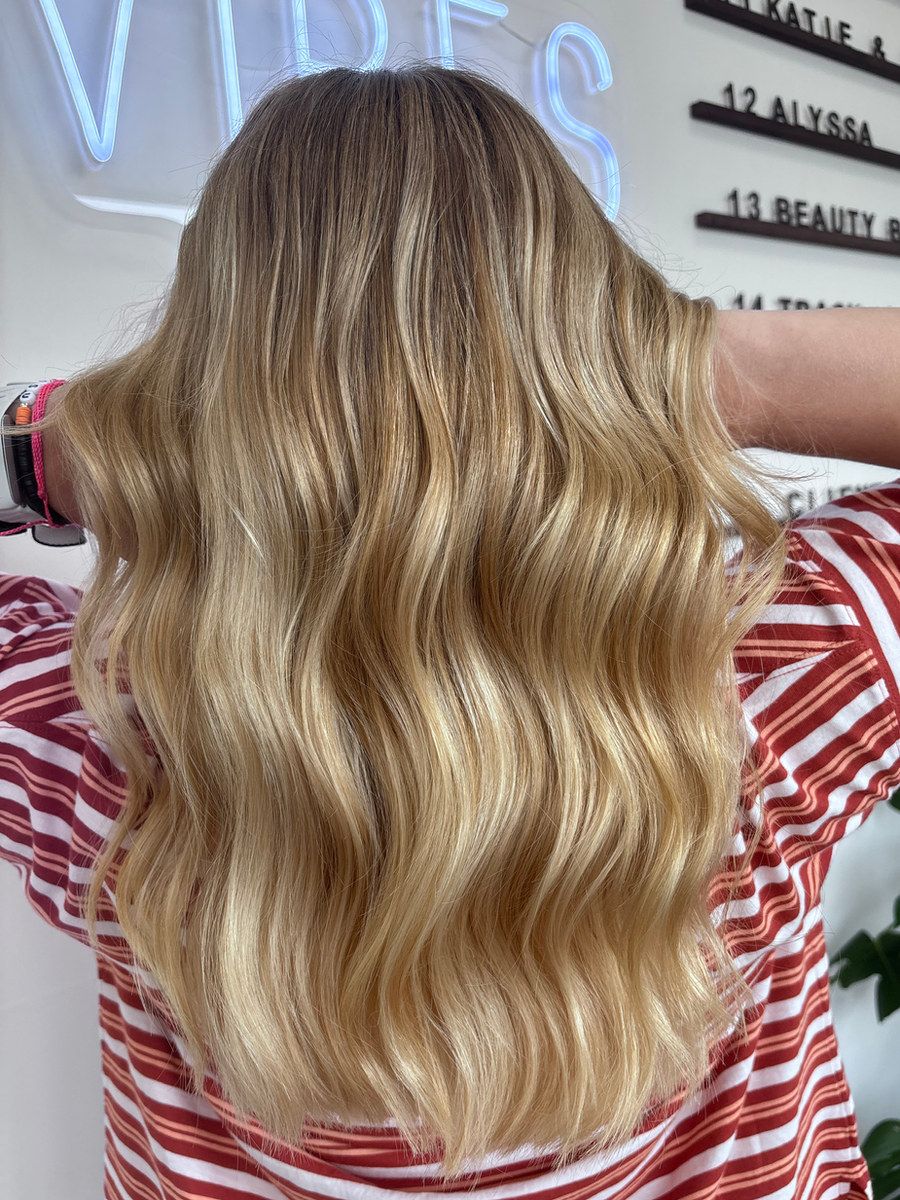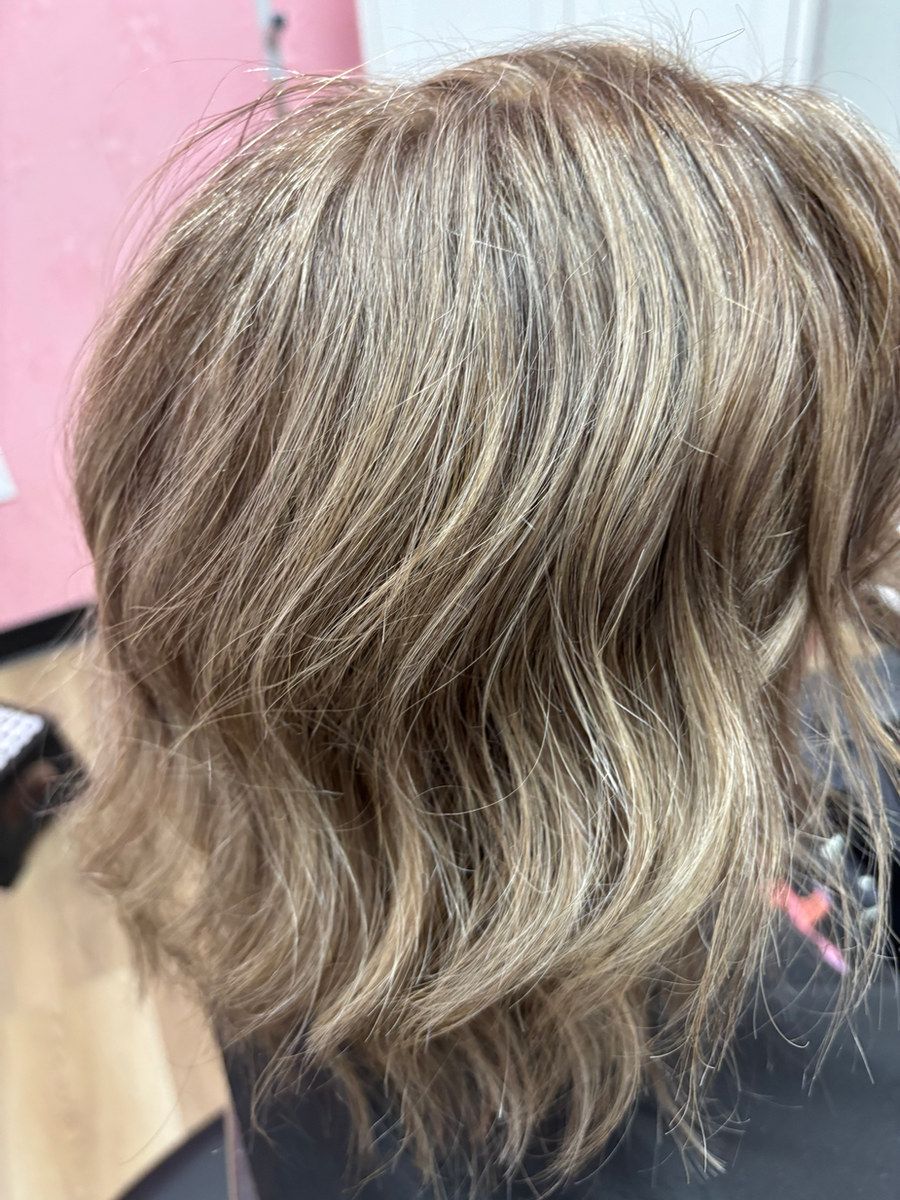
Most people do well with a haircut somewhere between every few weeks for short, precise styles and every few months for long, one-length hair. The right timing depends on your length, your texture, how healthy your ends are, and what you're trying to do: keep a shape, grow it out, or support your color. Use the guide below to find your rhythm, then adjust based on how your hair actually behaves.
The quick answer by length
These are typical starting points, not rules. Your hair will tell you when it's ready.
| Hair length and style | Typical timing | Why |
|---|---|---|
| Pixie, buzz-adjacent, or very short cuts | Every 4 to 6 weeks | A little growth changes the whole shape |
| Bobs and lobs | Every 6 to 8 weeks | Lines and angles soften quickly |
| Medium length with layers | Every 8 to 10 weeks | Layers drift down and lose placement |
| Long, one length | Every 10 to 12 weeks or so | Ends need care, the shape holds longer |
| Curtain bangs or face-framing | A fringe trim every few weeks | Bangs grow into your eyes fast |
| Growing out | Light trims spaced further apart | Keep ends healthy without losing length |
Timing by goal
Your goal matters more than any chart.
Keeping a specific shape
If you love your cut and want it to look the same every day, book closer to the shorter end of your range. Precision cuts, blunt bobs, and short styles depend on exact lines. Even a little growth changes how they fall.
Growing your hair out
It sounds backward, but trims help growth. Hair grows from the scalp, and cutting doesn't change that. What trims do is remove split ends before they travel up the strand and cause breakage. Without trims, you can lose length to breakage faster than you gain it.
When you're growing out, ask for a "dusting" or a light trim: just the damaged tips, not length. Space them further apart than a full cut. If you're adding length faster with extensions, the K-tip vs tape-in vs sew-in guide explains your options.
Changing your look
If you're going shorter, adding layers, or getting bangs for the first time, plan a follow-up sooner than usual. The first cut sets the shape, and the second one often refines it once you've lived with it.
Fixing damage
If your ends are dry, split, or breaking, you may need one bigger cut to reset, then shorter gaps between trims for a while. Once the damaged hair is gone, you can stretch your appointments.
Timing by hair type
Fine hair
Fine hair shows damage and thin ends quickly. Regular trims keep the ends looking fuller. Blunt or slightly blunt perimeters often make fine hair look thicker. For more on this, read fine hair volume tips.
Thick or coarse hair
Thick hair can get bulky as it grows, especially at the sides and back. You may want cuts on a regular rhythm to keep weight balanced, even if your ends are healthy.
Wavy and curly hair
Curls and waves change shape as they grow. A cut that looked balanced can turn triangular or heavy at the bottom. Many curly clients go a bit longer between cuts but notice when the shape stops working. Tell your stylist how you wear your hair most days, curly or straightened, so the cut works for both.
Lightened or color-treated hair
Lightening changes the inside of the hair strand, which can make ends more fragile. Regular trims help blonde stay smooth and shiny. If you get color, line up a trim with your color visits when you can.
Trims vs full haircuts
People use these words loosely, but they're different services.
A trim keeps your current shape. It cleans up ends, tidies the perimeter, and refreshes layers that have grown slightly. Little or no length change.
A haircut can change your shape. New layers, a new length, bangs, or a different outline.
At Beauty, Boldly Done, the current menu has two cut options:
- Haircut (Wash and Style): $55, about 1 hour 15 minutes
- Basic Haircut: $25, about 1 hour
Not sure which to book? Ask when you book and describe what you want. See the services page for the full menu, since prices can change.
Bangs need their own schedule
Bangs grow into your eyes long before the rest of your hair needs a cut. Most bang wearers trim them between full cuts.
- Blunt bangs show growth fastest.
- Curtain bangs are more forgiving because they're meant to split and sweep to the sides.
- Wispy or face-framing pieces can often go longer.
If you're tempted to trim bangs at home, go small, cut dry, and point-cut into the ends instead of straight across. The curtain bangs styling guide covers trimming cautions and how to style them as they grow.
Coordinating cuts with color
If you color your hair, think of your cut and color as one plan.
- Balayage and lived-in color grow out softly, so you may book color less often. You can still keep up with trims in between.
- Foils, highlights, and root color show regrowth more clearly. Pairing a trim with your color appointment saves you a trip.
- Big color changes sometimes look best with a fresh cut to reset the shape.
For more on how color techniques grow out, read balayage vs highlights.
Signs you're overdue
You don't need a calendar if you know what to look for:
- Ends feel rough, dry, or knotty even after conditioner
- Split ends you can see when you hold a section up to the light
- Your hair won't hold a style the way it used to
- Layers have grown into an awkward length or collapsed
- It tangles more than usual
- Your ends look thin or see-through compared to the rest
- Bangs are in your eyes
How to stretch time between cuts
- Use heat protectant every time you heat style
- Turn the heat down on hot tools, especially for fine or lightened hair
- Detangle gently from the ends up with a wide-tooth comb or soft brush
- Sleep on silk or satin to reduce friction
- Avoid tight elastics in the same spot every day
- Condition your ends regularly
What to tell your stylist
Before your cut, share:
- How often you're willing to come in
- How you style your hair most days
- Whether you're growing it out or keeping a length
- Your color plans
- Photos of what you like and what you don't
The what to ask your stylist checklist covers the rest.
Book a haircut with Hoshika in Overland Park
The best cut schedule is one that fits your hair and your life. In my chair we'll look at your ends, talk through your goals, and pick a rhythm that keeps your hair healthy and looking the way you want.
My studio is in south Overland Park at 135th Street, inside Willow Salon & Suites. Check the services page for the cut menu, then book your haircut.
Frequently asked questions
Do haircuts make your hair grow faster?
No. Hair grows from the scalp, so cutting the ends doesn't change growth speed. Regular trims help by removing split ends before they travel up, which keeps more of your length looking healthy.
How do I know if I need a trim or a full haircut?
If you like your shape and just want the ends cleaned up, you need a trim. If the shape has grown out, layers have lost their placement, or you want something new, book a full cut.
Should I get a haircut before or after coloring?
Either can work, and it often depends on the color technique. Ask your stylist, since some prefer to cut after color so the shape and placement work together.
Is it okay to skip trims if I'm growing my hair out?
Skipping trims entirely usually backfires because damaged ends break and you lose length anyway. Small, less frequent dustings keep ends healthy while you grow.
Book with Hoshika
Want this done for you?
Private one-on-one studio in Overland Park. Free consultations for big changes.