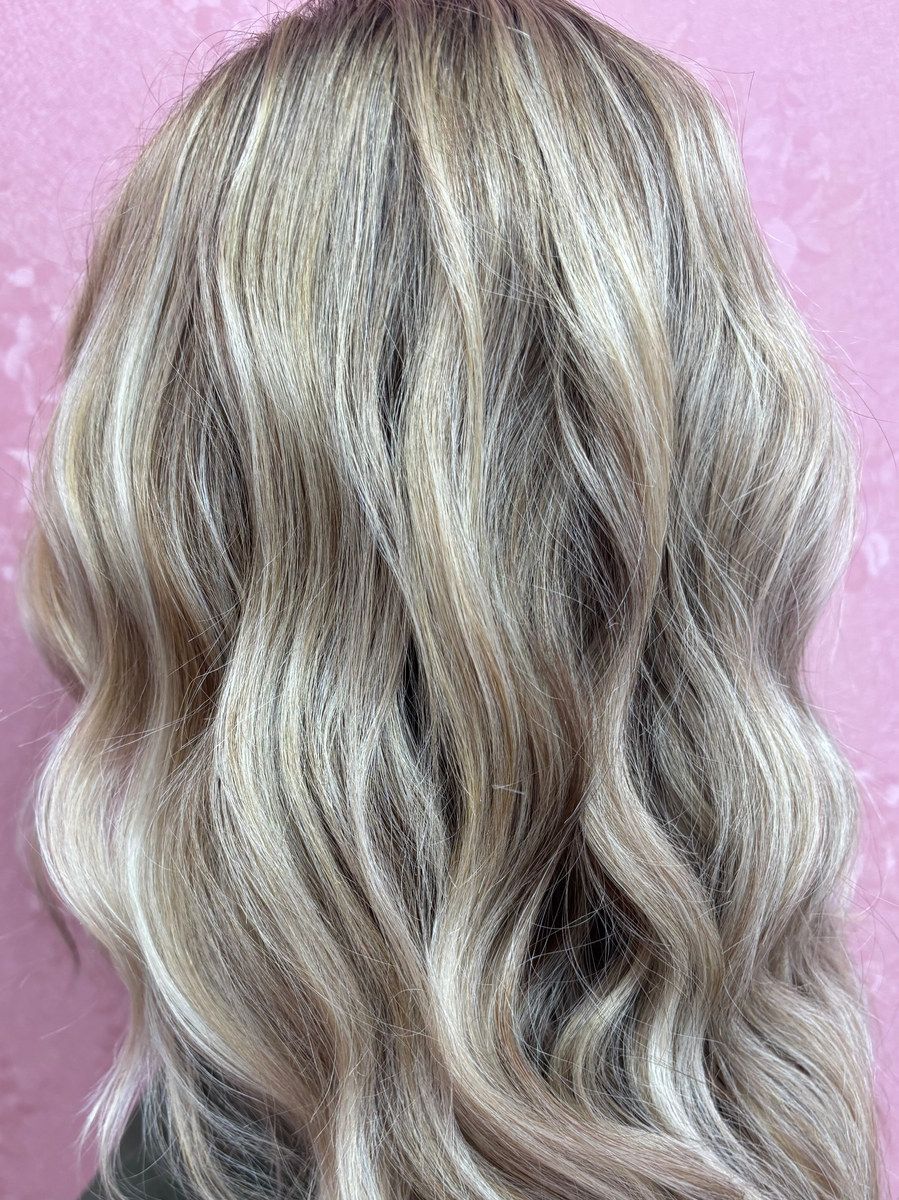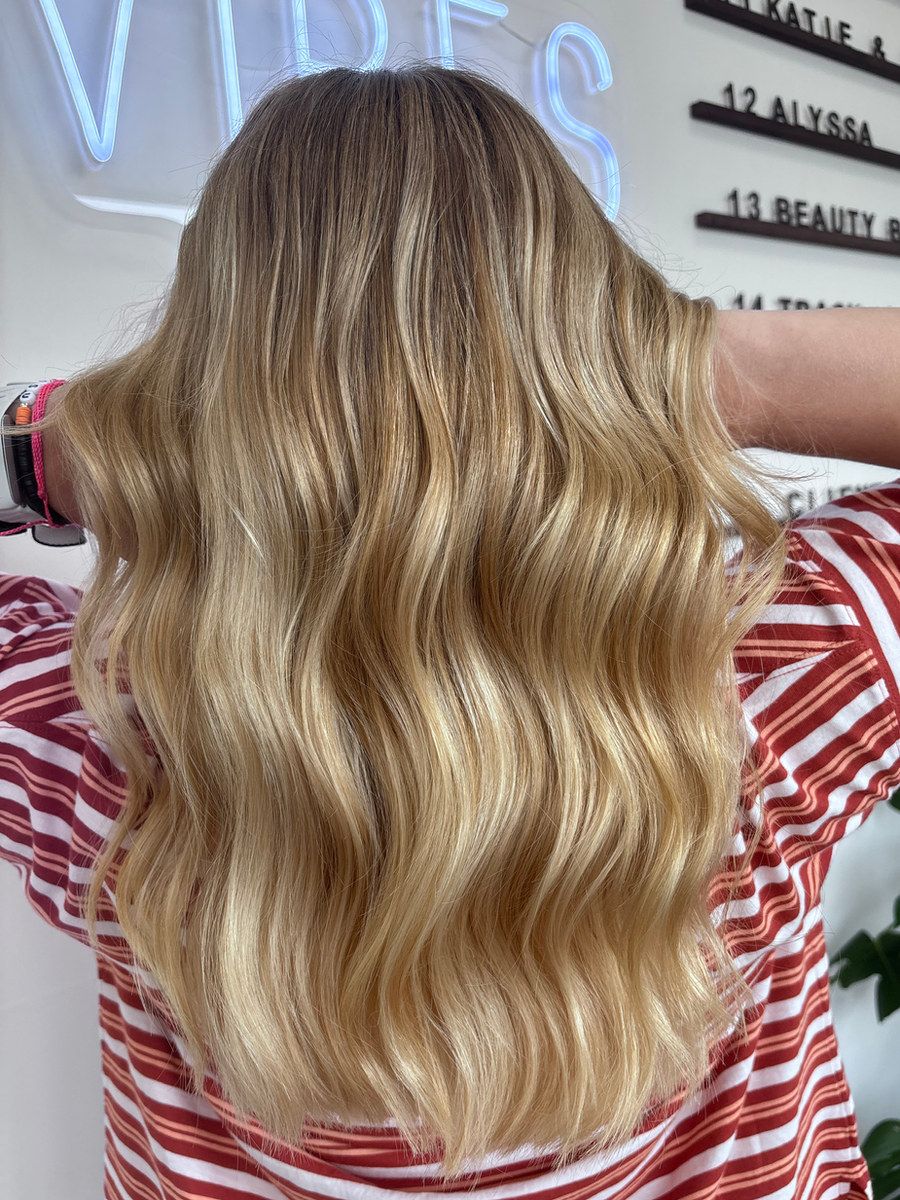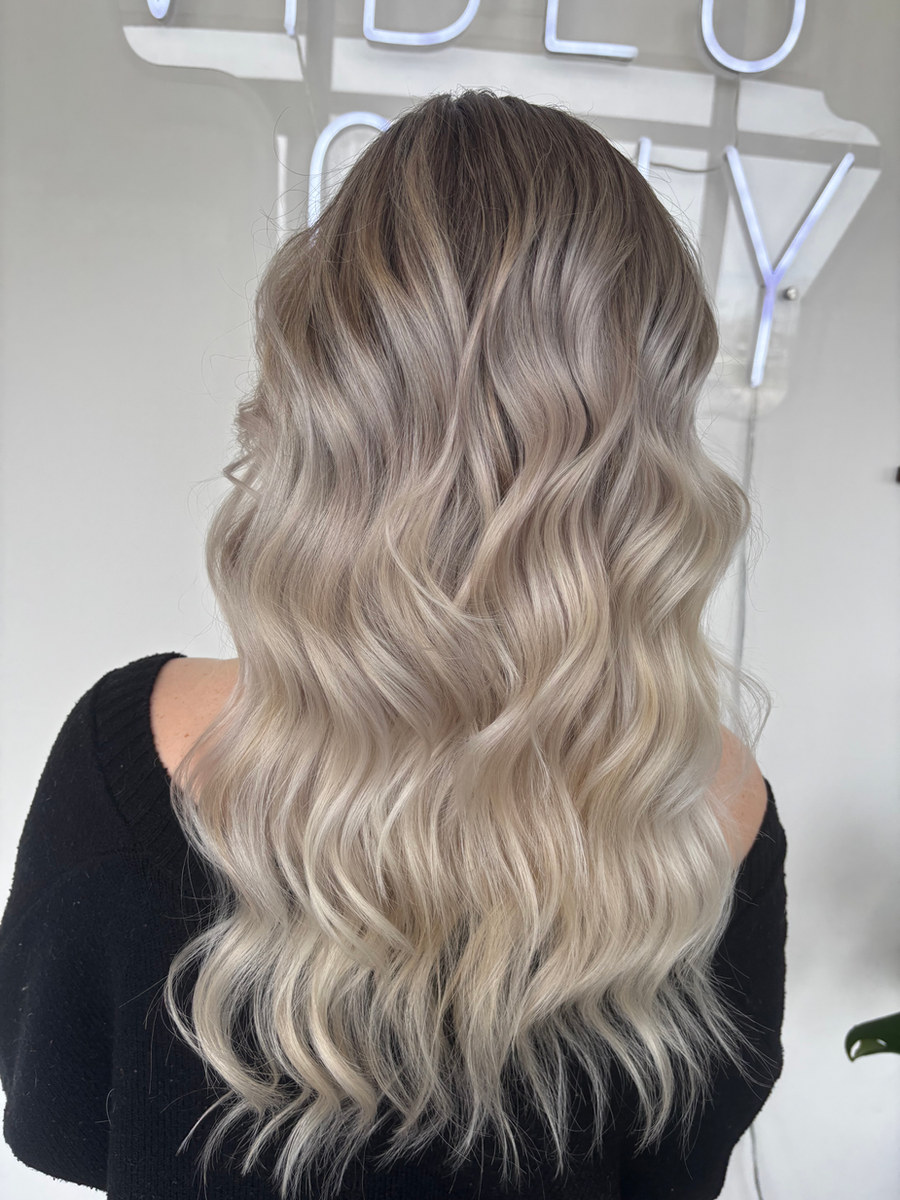
Growing long hair is mostly about keeping the length you already grow. Your scalp keeps producing hair, but if the ends snap off as fast as the roots grow, your length stays stuck. The habits below focus on reducing breakage, protecting your ends, and staying patient, plus what to do if you want length now.
Why your hair seems stuck at one length
Most people who say their hair "won't grow" are dealing with breakage, not a growth problem. A few signs point that way:
- Your ends look thin or see-through compared with the rest of your hair
- You see short, broken pieces around your hairline or crown
- Your brush fills up with short fragments, not long shed hairs with a root
- Your length looks the same in photos from a year ago
If that sounds familiar, the fix is less about growth products and more about how you handle your hair day to day. It also helps to know your texture and porosity, since fine or high-porosity hair breaks more easily. Our guide on why hair is hard to manage explains how to read those traits.
Trims: small and on purpose
It sounds backward, but regular trims are how you keep length. A split end doesn't stay at the tip. It can keep splitting up the strand, and then the hair snaps higher than you'd like.
When you're growing your hair, ask for a "dusting" or a small trim that only removes the damaged part. Tell your stylist your goal up front so they know to take as little as possible. A Basic Haircut works well for a quick maintenance trim, and it's $25 on the current menu. If you want shaping and layers so your hair looks good while it grows, a Haircut (Wash and Style) is $55.
How often depends on your hair. Our article on how often to get a haircut breaks it down by length and type.
Heat: lower, less, and protected
Heat styling is one of the most common causes of dry, snapping ends. You don't have to give it up, but you can cut the damage:
- Air-dry partway first. Let your hair dry most of the way before you blow-dry, so the dryer runs for less time.
- Turn the temperature down. Fine, lightened, or damaged hair rarely needs the highest setting.
- Use a heat protectant every time. Apply it to damp hair before blow-drying and again lightly before hot tools. See how to use heat protectant for the right order.
- One pass, not five. Slow, steady passes with a flat iron are gentler than repeated fast ones.
- Take heat-free days. Braids, buns, and air-dried waves give your ends a break.
Tension and styling habits
Tight styles pull on the hair at the same points every day. Over time that can lead to breakage at the elastic line and thinning around the hairline.
- Swap tight elastics for soft scrunchies, spiral ties, or claw clips
- Change where your ponytail or bun sits from day to day
- Avoid sleeping in tight styles
- Detangle from the ends up, holding the hair above the knot
- Use a wide-tooth comb or a flexible brush on wet hair, and be gentle, since wet hair stretches more easily
Washing and conditioning
You don't need a complicated routine. You need a consistent one.
- Condition every time you wash. Focus on the mid-lengths and ends, where hair is oldest.
- Use a mask weekly if your hair is dry, lightened, or heat-styled often.
- Don't scrub your lengths. Shampoo goes on the scalp. The suds rinse through the rest.
- Watch for buildup. Johnson County tap water is hard, and mineral buildup can make hair feel rough and tangle more. A clarifying or chelating wash now and then helps.
- Pat, don't rub. Squeeze water out with a soft towel instead of roughing it up.
Sleep: the eight hours that add up
You spend a lot of hours on your pillow. A few small changes protect your ends overnight:
- A silk or satin pillowcase reduces friction
- A loose braid or a low, soft bun keeps long hair from tangling
- Make sure hair is fully dry before bed, especially if it's long or thick
- A silk scrunchie on top of your head (a loose "pineapple") works for curls
Nutrition and overall health
Hair is part of your body, so general health matters. A balanced diet with enough protein, staying hydrated, and managing stress all support normal growth. Sudden or patchy hair loss, or a lot of shedding out of nowhere, is worth a conversation with your doctor, since it can have causes a stylist can't diagnose. Be cautious about supplements that promise fast growth; talk to a medical professional before adding one.
Protect your color investment
Color and lightening can be part of a long-hair plan, but they change how your hair handles stress. Lightened hair is more porous and more fragile, so it needs extra conditioning, lower heat, and gentler brushing. If you're growing your hair and coloring it, tell your stylist both goals. They can choose techniques and timing that keep your ends as strong as possible.
A simple long-hair routine
| Habit | How often |
|---|---|
| Heat protectant before hot tools | Every time |
| Conditioner on mid-lengths and ends | Every wash |
| Deep conditioning mask | Weekly, or as needed |
| Loose braid or silk pillowcase at night | Nightly |
| Small trim to remove split ends | Regularly, based on your hair |
| Clarifying or chelating wash for hard water | Every few weeks |
Want length now? Extensions while you grow
Growing hair takes time, and sometimes you have an event or a goal that won't wait. Extensions can give you length and fullness while your own hair grows underneath.
K Tip (Fusion) Extensions attach in small strand-by-strand bonds and move naturally with your hair. The install is $300 plus the cost of hair, which is purchased separately and color-matched at your consultation. Tape-ins and sew-ins are other options, depending on your hair and lifestyle. Our K-tip extensions guide covers how fusion works in detail.
The key with extensions is maintenance. Keep up with move-ups, follow the care routine, and never remove them yourself. That's how they protect your natural hair instead of stressing it.
Grow it out with Hoshika in Overland Park
When you're growing your hair, every cut should help, not set you back. I'll take only what's needed, shape your hair so it looks good at every stage, and help you build a routine that fits your texture and schedule. If you want length sooner, we can talk through extensions at a free 15-minute consultation. I'm in south Overland Park at 135th Street, inside Willow Salon & Suites. Book your trim or consultation and let's plan your next few months of growth.
Frequently asked questions
Do trims make your hair grow faster?
No. Hair grows from the scalp, not the ends. Trims help you keep length by removing split ends before they travel up the strand and cause breakage.
How can I tell if my hair is breaking instead of not growing?
Look for short, snapped pieces around your face and crown, thin see-through ends, and lots of short fragments in your brush. Those are signs of breakage, not slow growth.
Is it bad to wear my hair up every day while growing it?
Not if you keep it loose. Tight ponytails in the same spot every day can cause breakage at the elastic line. Soft scrunchies, claw clips, and moving the placement help.
Can extensions damage hair I'm trying to grow?
Extensions that are installed well, sized to your hair, and maintained on schedule are designed to sit on healthy hair without stressing it. Skipping move-ups or removing them yourself is where damage usually happens.
Book with Hoshika
Want this done for you?
Private one-on-one studio in Overland Park. Free consultations for big changes.