To sleep with hair extensions, make sure your hair is completely dry, brush it out gently, put it in a loose braid or low ponytail, and sleep on a silk or satin pillowcase or bonnet. Those few minutes before bed prevent most of the tangles, matting, and attachment stress that shorten an extension's life. Here's the full nighttime routine, why it matters, and what changes between bond and tape methods.
Why nighttime matters so much
You move a lot in your sleep. With loose hair, that means hours of friction against your pillow, mostly at the nape and the back of the head. That's also where many extension attachments sit.
Over time, that friction causes:
- Tangles near the root that turn into matting
- Frizz and dryness on the extension hair
- Stress on the attachments from hair getting caught and pulled
- Extra shedding of your natural hair
Extension hair doesn't get natural oils from your scalp the way your own hair does, so it's already prone to dryness. A good nighttime routine protects it.
The bedtime routine, step by step
1. Make sure your hair is completely dry
This is the most important rule: never sleep with wet or damp extensions.
- Wet hair is weaker and tangles more easily.
- Damp K-tip bonds and tape-in tabs are more likely to slip.
- Damp sew-in braids under the wefts can stay wet for a long time, which can lead to odor and scalp irritation.
If you wash at night, leave enough time to dry the roots and attachment areas fully. Here's how to wash and dry hair with extensions.
2. Brush out gently
- Use a soft loop brush or an extension-safe brush.
- Hold your hair near the root to support the attachments.
- Start at the ends and work your way up.
- Run your fingers along your rows or bonds to separate any that have stuck together.
3. Put it in a loose braid or low pony
- Loose braid: the best option for most people. One braid down the back or a side braid keeps everything contained.
- Low pony: good if you find braids uncomfortable. Secure loosely at the nape.
- Two braids: helpful for very long or thick extensions.
Keep it loose. A tight braid or pony pulls on attachments all night. Use a silk or satin scrunchie or a snag-free elastic, not a thin rubber band.
4. Choose a silk or satin surface
- Silk or satin pillowcase: hair glides instead of catching.
- Silk or satin bonnet or wrap: keeps hair contained and protected, great for long or curly extensions and sew-ins.
- Both: if you're a restless sleeper.
Cotton pillowcases have more texture and grab, which is why so many people wake up with a nest at the back of the head.
5. Add a little moisture to the ends (optional)
A small amount of lightweight leave-in or oil on the very ends keeps extension hair soft. Keep it far from the bonds or tapes.
Bonds vs. tapes vs. sew-ins at night
Each method has its own soft spot.
| Method | What to watch at night | Tip |
|---|---|---|
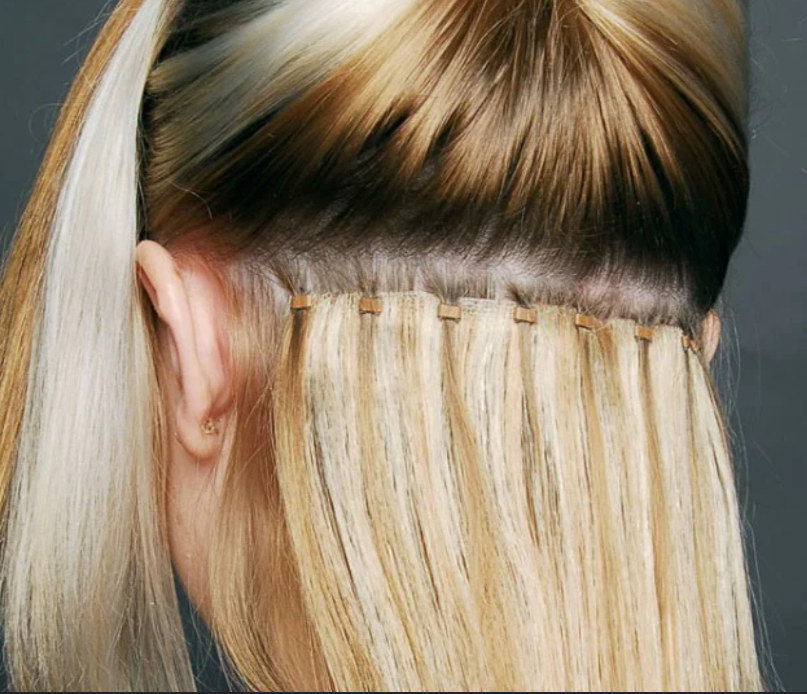
| K-tip (fusion) | Bonds rubbing and tangling together | Separate bonds with your fingers before braiding, keep oils off bonds |
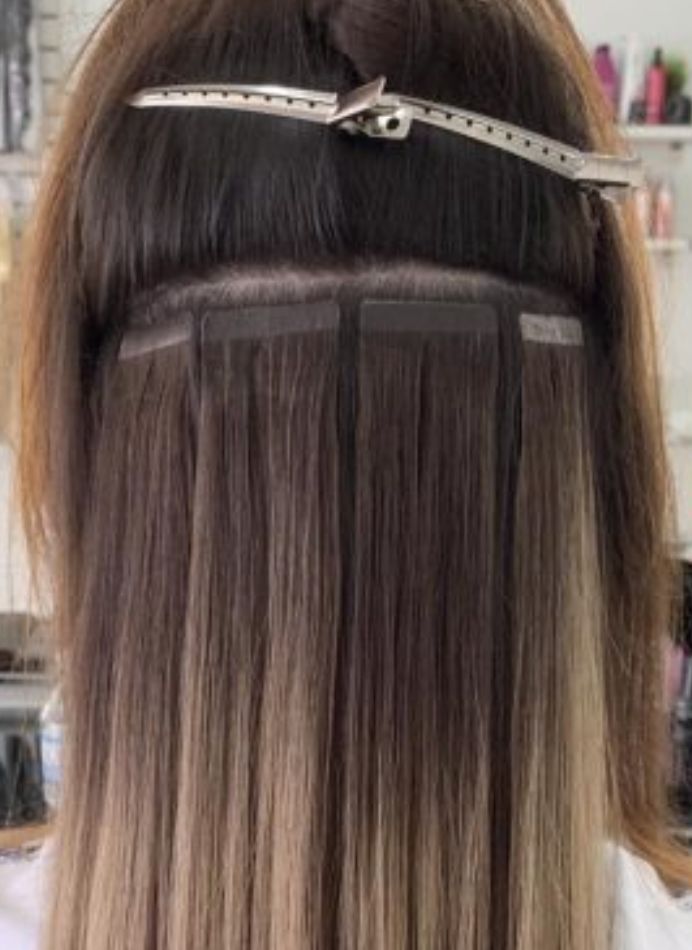
| Tape-in | Tapes catching on the pillow or each other | Brush gently around tapes, keep products away, loose braid only |
| Sew-in | Damp braids under wefts, scalp itch | Always dry the braids fully, use a bonnet, keep the scalp clean |
Want the full breakdown of how each method is installed and maintained? See K-tip vs. tape-in vs. sew-in extensions.
Your morning routine
Mornings are where you catch small problems before they get big.
- Take the braid or pony out gently. Don't yank the elastic.
- Finger-detangle first. Separate the hair with your fingers before a brush goes in.
- Brush from the ends up, supporting the root with one hand.
- Check your attachments. Run your fingers along the rows. Gently separate any bonds or tapes that stuck together overnight.
- Use a detangling spray on the lengths if hair feels dry or knotty.
If you find a knot at the root
- Hold the hair above the knot so you're not pulling on the attachment.
- Add a little detangler to the knot (not on the bond or tape).
- Work it loose from the bottom with your fingers, slowly.
- Never cut it out or pull hard.
- If it won't budge, call your stylist. Matting near the root can need professional help, and sometimes it's a sign a move-up is due.
Common sleep mistakes
- Going to bed with damp hair. The single biggest cause of matting and slipping.
- Sleeping with hair loose. Tangles at the nape by morning.
- Braiding too tight. Tension on attachments all night.
- Thin rubber elastics. They snag and break hair.
- Skipping the brush-out. Small tangles become big ones overnight.
- Heavy oils at the root. Can loosen bonds and tapes.
Seasonal tips for Kansas City
- Winter: KC winters are dry and indoor heat makes it worse. Extension hair dries out faster, and static adds to tangling. A humidifier and a bit more conditioning on the lengths help. See winter hair care for dry, staticky hair.
- Summer: Humid nights mean sweat at the nape. Wear a loose braid, keep the bedroom cool if you can, and rinse or refresh after workouts so sweat and salt don't sit near attachments.
How sleep fits into overall extension care
Nighttime is one piece of the puzzle. Washing, brushing, heat styling, and move-ups all matter too. The hair extension care guide covers everything in one place. If you're still planning your first install, how to prepare for your extensions appointment walks you through the consult and the first week.
Book with Hoshika in Overland Park
I install K-tip, tape-in, and sew-in extensions in my one-chair studio in south Overland Park, inside Willow Salon & Suites at 135th Street. Every install starts with a consultation where we match color and talk through your daily and nighttime routine. Hair is purchased separately, and all extension services are request to book.
Already wearing extensions and noticing tangles or slipping? A Move Up starts at $100 on the current menu, depending on method. See the services page or request an appointment.
Frequently asked questions
Can I sleep with my extensions down?
It's not recommended. Loose hair moves and rubs against the pillow all night, which causes tangles and matting at the nape. A loose braid or low pony prevents most of that.
Is a silk pillowcase really worth it with extensions?
For most people, yes. Silk and satin create less friction than cotton, so hair glides instead of catching, which means fewer tangles and less frizz in the morning.
What if I wake up with a knot at the root?
Don't rip at it. Hold the hair above the knot to protect the attachment, add a bit of detangler to the hair below it, and work it loose from the bottom with your fingers. If it won't come out, call your stylist.
Can I wear a silk bonnet with extensions?
Yes. A bonnet or wrap is a good option, especially for longer extensions or sew-ins. Braid or twist the hair loosely first so it doesn't tangle inside.
Book with Hoshika
Want this done for you?
Private one-on-one studio in Overland Park. Free consultations for big changes.